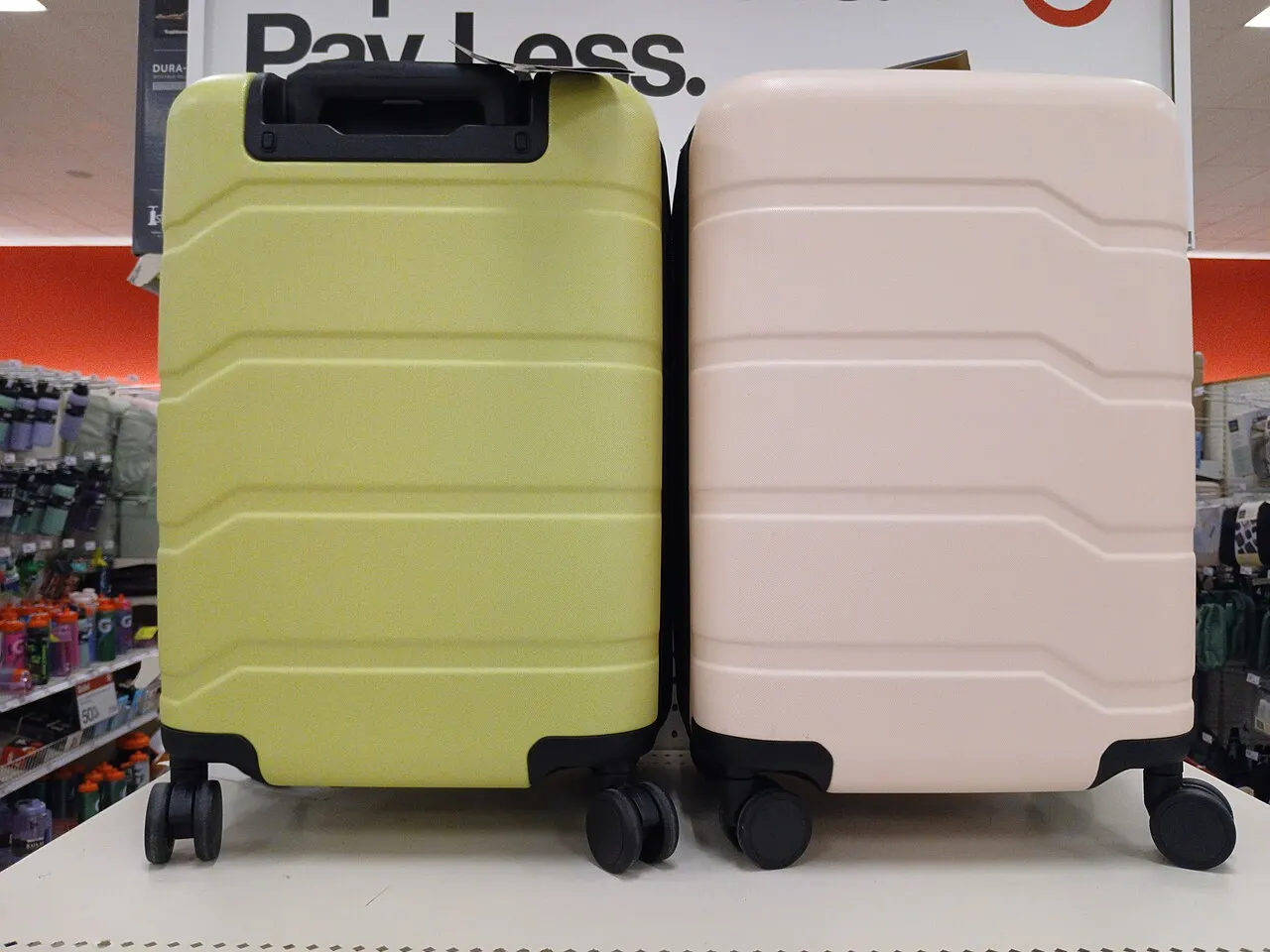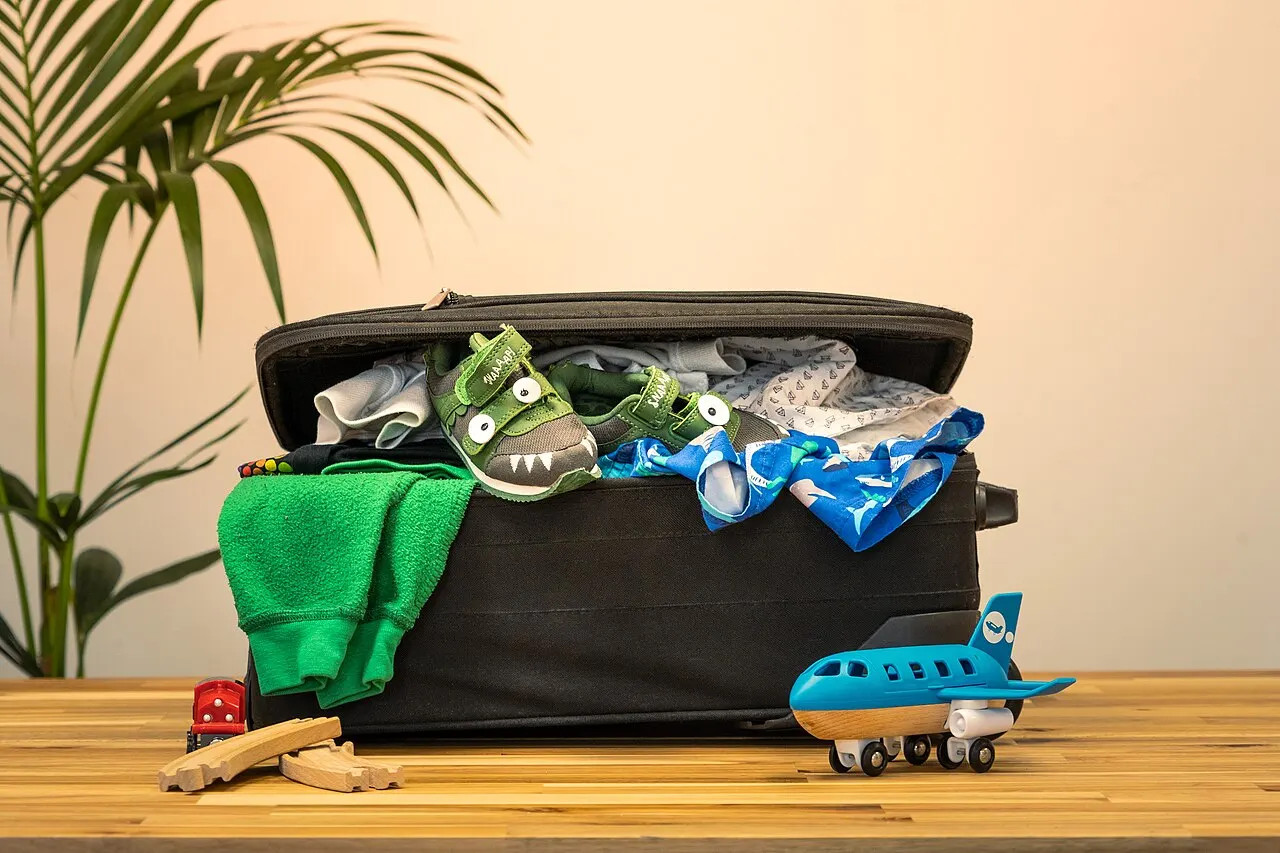
Travelling with hand luggage only is quicker and cheaper: no waiting at the carousel, no risk of losing your bag and no checked baggage fee. The trick is to make good use of the two items you’re usually allowed: the carry-on suitcase and the personal item that goes under the seat.
What each airline allows
Full-service airlines usually include a carry-on suitcase (around 55 × 40 × 20 cm, 7–10 kg) plus a handbag or small backpack. Many low-cost airlines only include the small item for free (around 40 × 20 × 25 cm or 40 × 30 × 20 cm) and charge for the carry-on suitcase.
Always check the exact sizes for your fare before packing: they vary from airline to airline and change over time.
Important: hand luggage dimensions vary by airline and fare. Check them in your booking right before you pack.
The backpack: your personal item
If your fare only includes the small item, a backpack that makes the most of those dimensions lets you travel for two or three days without paying anything extra. If you’re also bringing a suitcase, the backpack is where everything you need during the flight goes.
In the backpack (under the seat):
- Documents, wallet and phone.
- Medicines and glasses.
- Electronics: laptop, tablet, chargers and power bank (batteries never go in the hold).
- The clear bag with your liquids, so you can take it out quickly at security.
- A light jacket, snacks and an empty bottle to refill.
In the carry-on suitcase (in the overhead bin):
- Clothes and shoes.
- Toiletry bag with no liquids, or with the ones you don’t need at security.
- Everything you won’t use until you arrive.
How to make everything fit
- Roll your clothes instead of folding them: they take up less space and crease less.
- Wear your bulkiest items: boots, jacket and thick jumper, worn on the journey.
- Use packing cubes: they keep clothes tidy and compact.
- Fill the gaps: socks inside shoes, chargers in the corners.
For winter clothes, compression bags save the most space.
Tip: weigh your hand luggage at home. Many airlines allow between 7 and 10 kg, and excess weight at the gate is expensive.
On the day of the flight
At low-cost airline gates, it’s common for staff to check bag sizes with a sizer. A soft backpack you can squeeze is easier to fit than a rigid one. And if the overhead bins fill up and you’re asked to check your suitcase at the gate, take out the batteries and anything you’ll need first.
As an Amazon Associate we earn from qualifying purchases.