Turning up at the airport without the right document is one of the few mistakes that can’t be fixed: you stay on the ground. Luckily, it’s also the easiest to avoid. Go through this guide a few days before you fly, not the night before.
Which document you need
- Domestic flights: a valid national ID card or passport. Some airlines accept other documents, but an ID card or passport never fails.
- Within the Schengen Area: EU citizens can travel with their national ID card. Even without border checks, the airline will ask you to identify yourself.
- Outside the EU: almost always a passport. Many countries require it to be valid for at least 6 months from your date of entry and to have blank pages.
Important: check your passport’s expiry date as soon as you book. Renewing it can take weeks, and many countries won’t let you in if it expires in less than 6 months.
Visas and electronic travel authorisations
More and more countries require an electronic authorisation before you travel, even if you don’t need a visa: the US ESTA, Canada’s eTA or the UK ETA, among others. You apply online, but they can take days: apply as soon as you buy your ticket, and always on the official website, not through middlemen who overcharge.
Check the requirements on your country’s foreign ministry website or with your destination’s embassy. They change often.
Your boarding pass
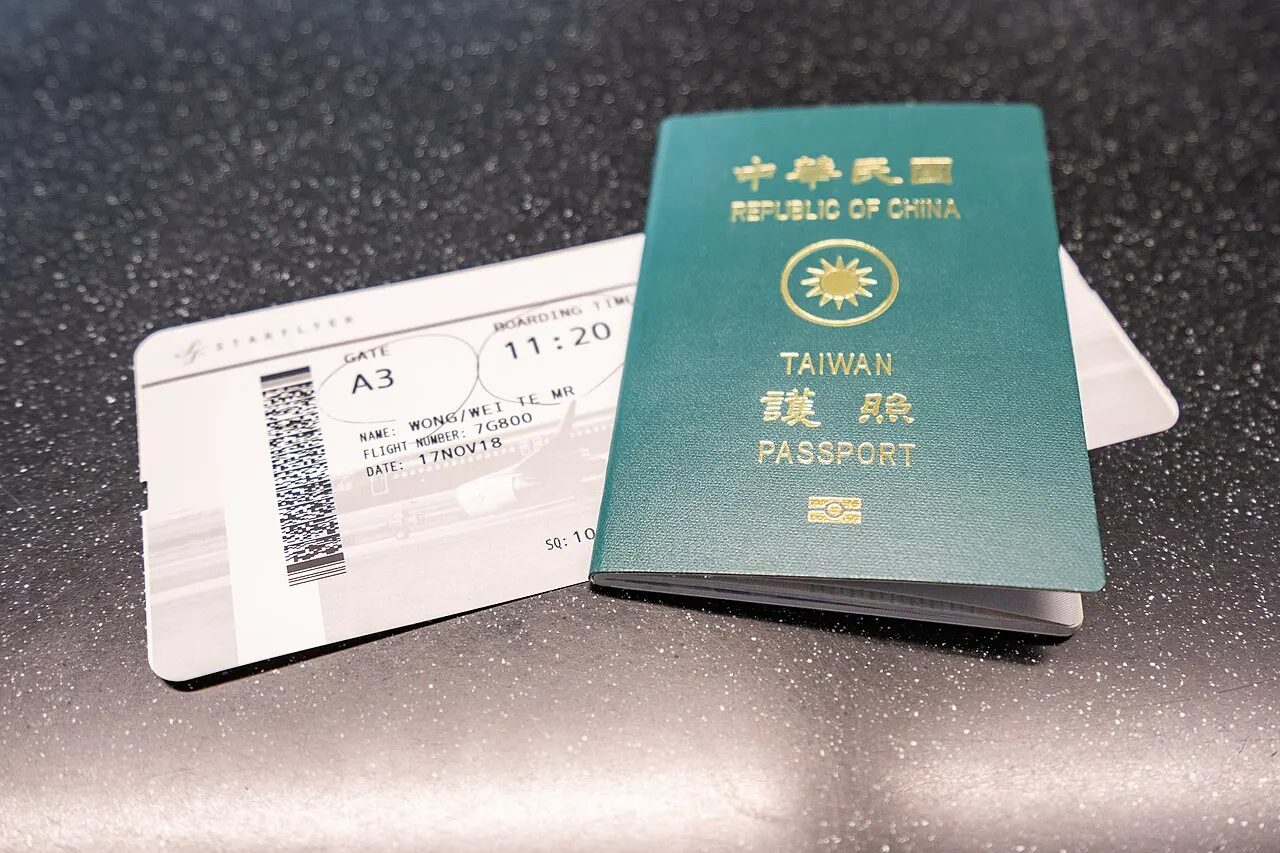
Check in online and save your boarding pass on your phone (in the airline’s app or your phone’s wallet). Take a screenshot too in case there’s no signal, and if your phone battery is low, print it out.
Where to keep it all
Ideally, have one single place for your passport, boarding pass and a payment card, and always put them back there after using them. That way you won’t be digging through five pockets at security.
If you’re travelling as a family, have one person carry all the passports in an organiser.
In destinations with pickpockets, keep your passport close to your body and a small wallet with what you need for the day within easy reach.
Tip: always put your passport back in the same pocket after using it. Most passports “lost” at the airport are just in another pocket.
Backups
- A photo of your passport and visa on your phone and in the cloud (or emailed to yourself).
- A paper photocopy in your suitcase, kept apart from the original.
- Note down the phone number of your country’s embassy at your destination.
If you lose your passport abroad, the embassy or consulate can issue a temporary document to get you home, and it will be much quicker with a copy.
Quick checklist before you leave
- A valid passport or ID card (with the validity your destination requires).
- A visa or electronic authorisation, if needed.
- Boarding pass on your phone and as a screenshot.
- Health insurance card or travel insurance.
- Driving licence (and an International Driving Permit, if you’re hiring a car somewhere that requires one).
As an Amazon Associate we earn from qualifying purchases.