Old town
For sleeping next to the cathedral and getting around almost everything on foot. It is lively at night, so choose your street carefully if noise bothers you.
Itinerary · Palma de Mallorca
7-day itinerary for Palma de Mallorca: the city, the Serra de Tramuntana, southern coves and a trip to Alcúdia and Cap de Formentor.
This 7-day itinerary is designed for those who want to get to know Palma at a relaxed pace and explore the island. It devotes the first day to the old town, the second to La Llotja, Santa Catalina and Es Baluard, the third to Bellver and the Palma coast, and then heads to the mountains, the south and the north, at a relaxed pace.
There are several ways to get from Palma airport. The EMT A1 city bus links the airport with the centre and stops at arrivals and departures. The A2 line goes to S’Arenal and Platja de Palma, useful if you are staying in that area. TIB Aerotib buses leave from arrivals for other parts of the island. And the taxi, with a rank on floor 0, takes about 15-20 minutes to the centre.
Day 1
Old town
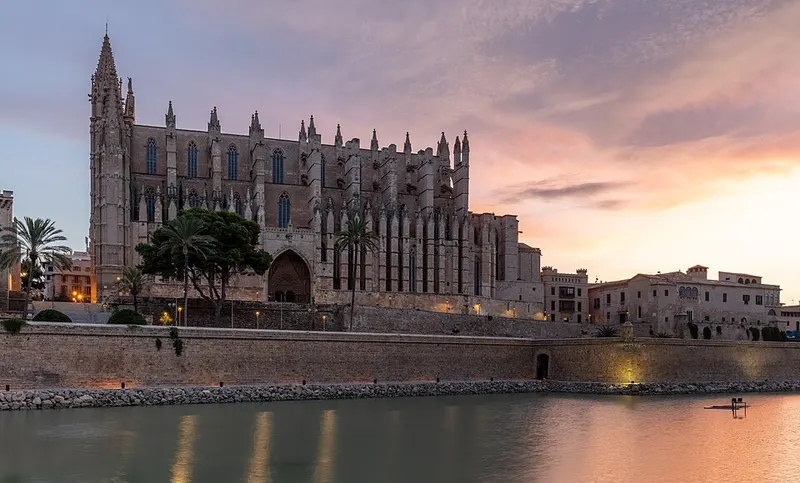
La Seu rises above the sea and is Palma's great icon. Its bright interior includes work by Gaudí and Miquel Barceló. Book ahead and visit first thing in the morning.
Old town
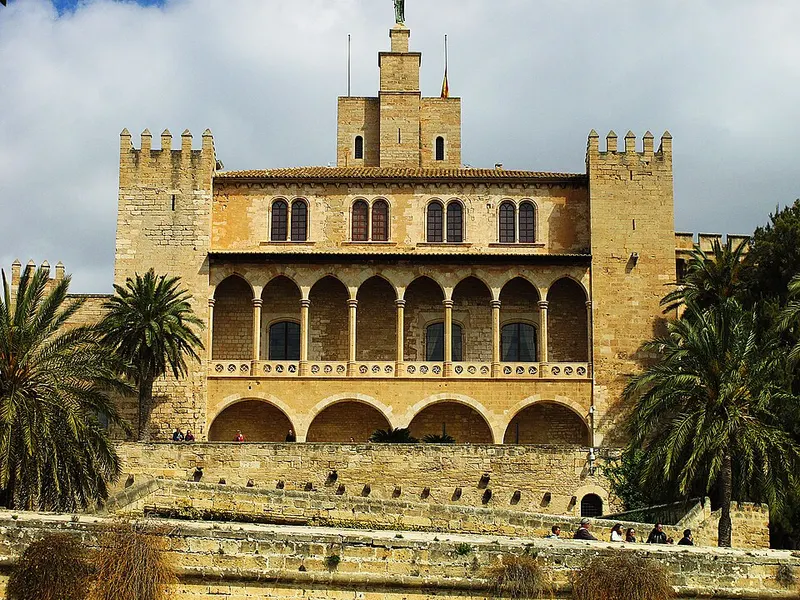
A former Moorish fortress turned royal palace, right opposite the cathedral. It can be toured quickly and completes the visit to the monumental complex.
Old town
A small bathhouse from the Andalusian period, preserved in the old town, with a quiet garden. It is a short visit and fits nicely between the cathedral and lunch.
Old town
A tree-lined avenue that runs down towards the port and serves as a hub for strolling, shopping and having a drink. From here you can walk to the squares and courtyards of the old town.
Day 2
Sa Llotja
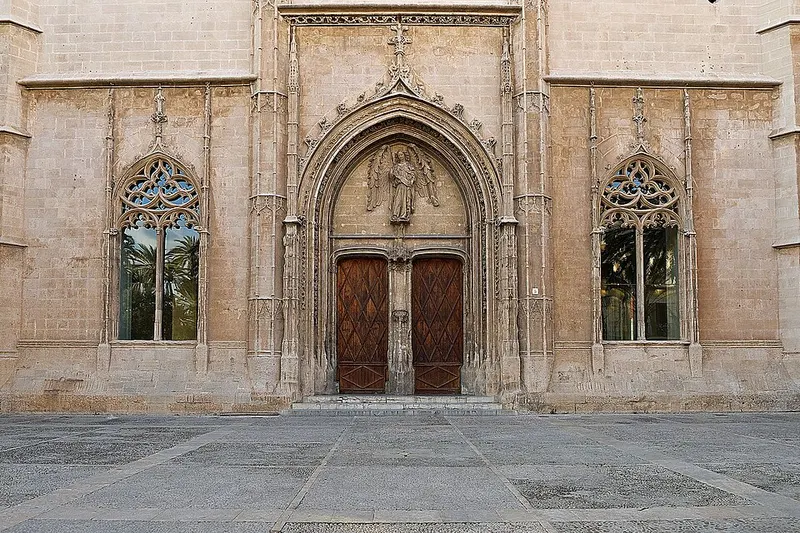
A former 15th-century merchants' exchange and a jewel of civil Gothic, next to the seafront promenade. Its spiral columns are best appreciated from inside, if an exhibition is open; if not, admiring the facade is enough.
Dalt Murada
A museum of modern and contemporary art in a former bastion of the city walls. Its terrace has views over the port and the cathedral.
Santa Catalina
A neighbourhood market surrounded by bars and restaurants. It is a good place for lunch with a local atmosphere and to try island produce.
Paseo Marítimo
End the day by the sea, with the illuminated cathedral in the background and the port full of boats.
Day 3
Bellver
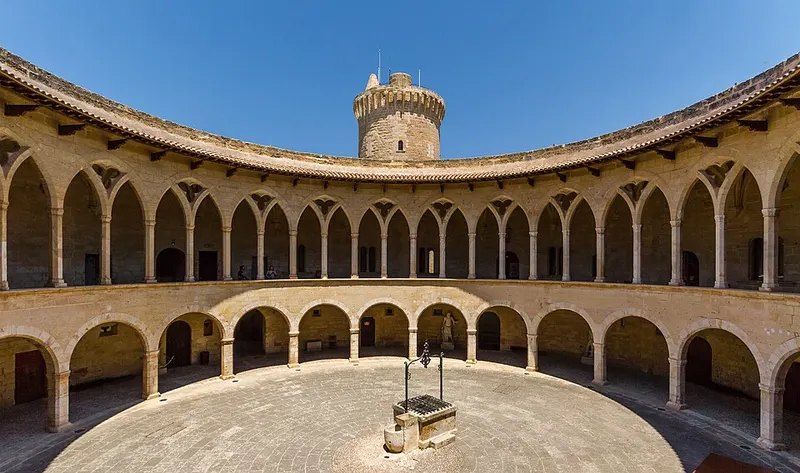
A circular Gothic castle surrounded by woodland at the top of a hill. The terrace has one of the best views of the Bay of Palma. You can get up by city bus or taxi, or on foot through the forest if you feel like a walk.
Cala Major
The studio and work of the artist, who lived in Majorca, set among gardens a few minutes from Cala Major. Book ahead in high season.
Cala Major
A small, convenient beach for a swim without leaving Palma. Afterwards, the seafront promenade leads to the centre, with waterfront terraces.
Day 4
Palma
The journey on the historic wooden train crosses the mountains and is part of the experience. Book ahead in high season.
Sóller
A village surrounded by mountains and orange trees, with a square, a church and quiet streets. A good place for lunch before continuing to the port.
Port de Sóller
A vintage tram connects Sóller with the port, a sheltered bay with a seafront promenade, a small beach and fish restaurants. A good spot for lunch and a swim before heading back to Palma.
Day 5
Valldemossa
A stone village in the Serra de Tramuntana, with cobbled streets and flowerpots on the facades. The Valldemossa Charterhouse recalls the stay of Chopin and George Sand. You can get there by intercity bus or by car in about 30-40 minutes from Palma.
Deià
A village perched above the sea, with stony coves below and a church at the top. The coastal road linking it with Sóller offers very photogenic viewpoints; if you are not driving, check the bus times carefully.
Deià
If you have a car, return along the coastal road with viewpoints and photo stops. Without a car, go back by bus from Valldemossa.
Day 6
Santanyí
A village of golden stone in the south-east of the island, with quiet streets and craft shops. It is a good morning stop, better by car.
Es Trenc
A long beach of white sand and clear waters, with no buildings in the background. It is the best option for a beach day on the island, although it is best to arrive early.
Santanyí
If you fancy something smaller, these turquoise coves are surrounded by rocks and pines. Mind your footwear and bring water.
Day 7 · Day trip
This excursion, about 55-60 minutes from Palma, takes you to the north of the island. Stroll through the walled old town of Alcúdia and then head down to its long beach. With a car, continue through Pollença to Cap de Formentor, with viewpoints over cliffs and the lighthouse; without a car, the bus goes to Alcúdia and Pollença.
Palma de Mallorca
For sleeping next to the cathedral and getting around almost everything on foot. It is lively at night, so choose your street carefully if noise bothers you.
A neighbourhood with a local feel, with a market, bars and restaurants, ten to fifteen minutes on foot from the old town. A good option for eating well without tourist-centre prices.
A former fishing district by the sea, quiet and with a seafront promenade, a little way from the old town but well connected by bus.
For those who prefer seafront hotels and views over the bay, with the centre a long walk or a few minutes by bus away.
Itinerary · Palma de Mallorca
Seven days let you see Palma at a relaxed pace, the Serra de Tramuntana, and the south and north of the island. It is an unhurried rhythm, with time for the beach.
It is best to book the cathedral, the Sóller train and paid visits ahead in high season. The rental car too.
Partly: Palma, Sóller and Valldemossa are accessible by public transport. The south and north are easier by car or on an organised excursion.
Spring and early autumn offer good weather, fewer people and more moderate prices. In the height of summer it is very hot and the beaches fill up early.