Santa Cruz and the Centre
To sleep next to the cathedral and the Alcázar and walk everywhere. It is very touristy and a little more expensive, and some streets are noisy at night.
Itinerary · Seville
3-day itinerary for Seville: Cathedral and Giralda, Real Alcázar, Santa Cruz quarter, Triana, the Setas and Plaza de España, with practical tips.
This 3-day itinerary is designed for first-time visitors to Seville who want to see the essentials at a comfortable pace. The first day is devoted to the cathedral, the Alcázar and Santa Cruz; the second to the river, Triana and the Setas; and the third to Plaza de España, María Luisa park and an evening of flamenco.
From the airport you have two main options. Tussam’s EA Airport Special line is a city bus that reaches the centre with stops such as Santa Justa station. Taxis leave from the rank at the arrivals exit and charge a fixed airport-to-city fare.
Day 1
Centre
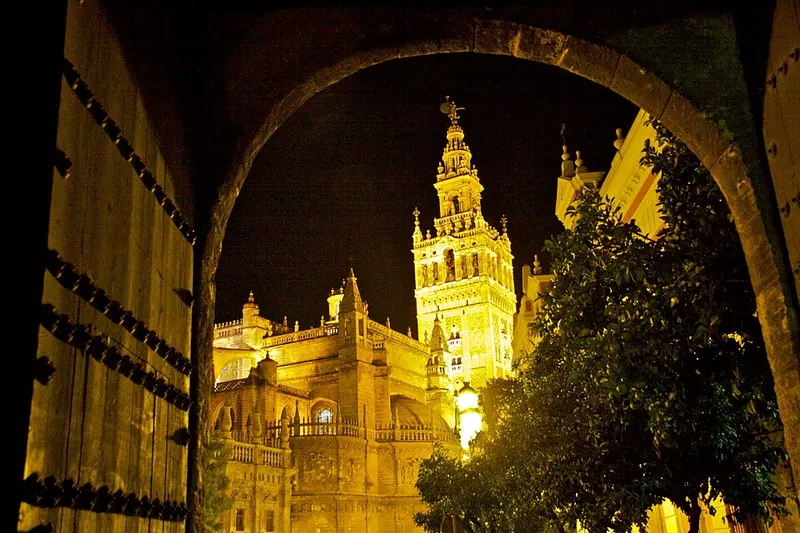
One of the largest Gothic cathedrals in the world, with the Giralda, the former minaret of the mosque, as its great landmark. Climb the tower by its ramps for a view over the city's rooftops, and book your ticket in advance.
Santa Cruz
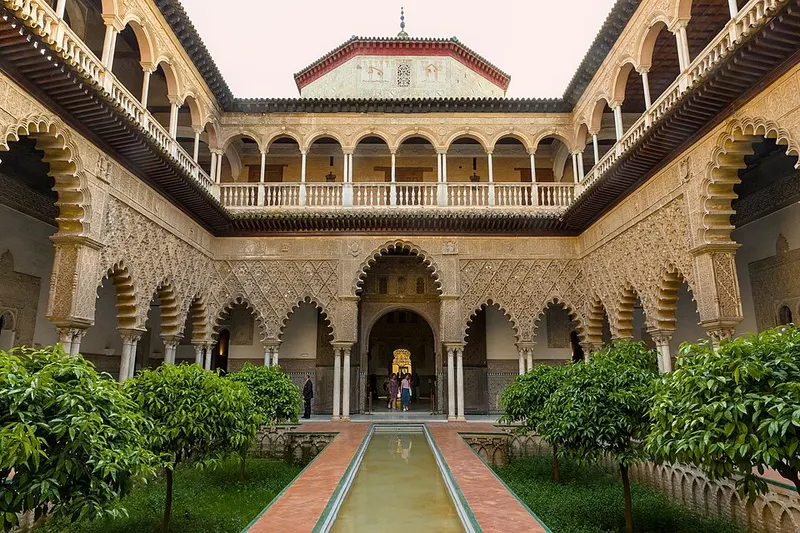
A Mudéjar-style palace with courtyards, decorated halls and gardens where you can happily get lost for a while. It is one of the most visited sights in the city, so buy your ticket in advance and allow at least a couple of hours.
Santa Cruz
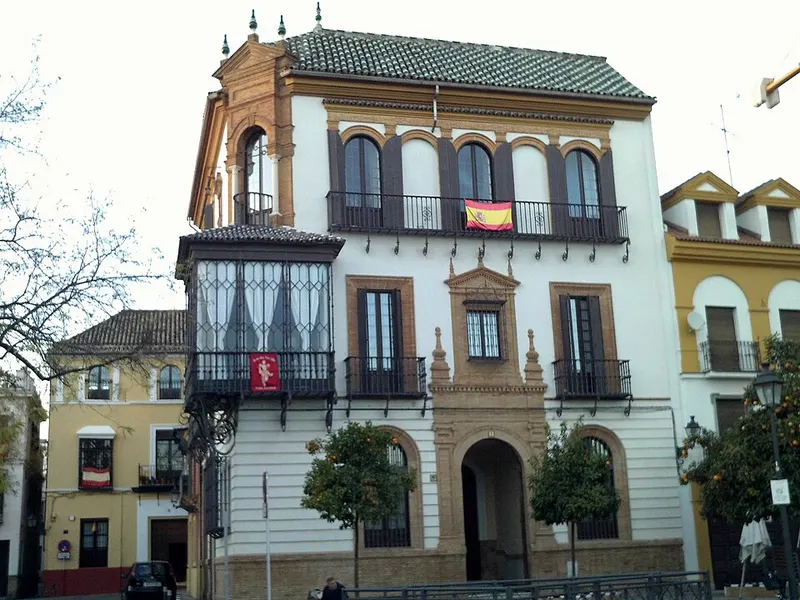
The old Jewish quarter, next to the Alcázar, is a maze of narrow lanes, flower-filled courtyards and small squares. It is best to wander without a map and let the neighbourhood lead you.
Centre
A sober Renaissance building between the cathedral and the Alcázar that holds the documents of the colonial era. It is worth a short stop, even if only to see the architecture.
Day 2
El Arenal
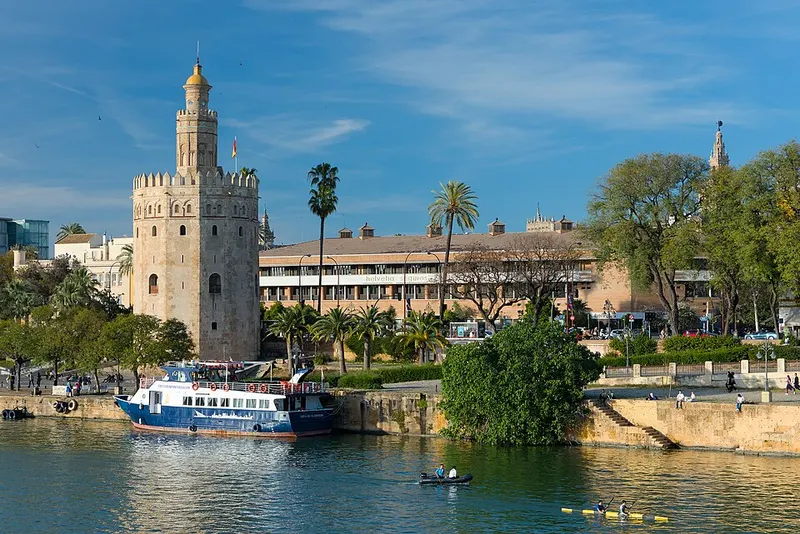
An Almohad tower on the banks of the Guadalquivir, now with a small naval museum. It is the best place to start a walk along the river.
Triana
Cross the Isabel II bridge to this neighbourhood with its seafaring and ceramics tradition. Stroll along Calle Betis, browse the market and look for a ceramics shop.
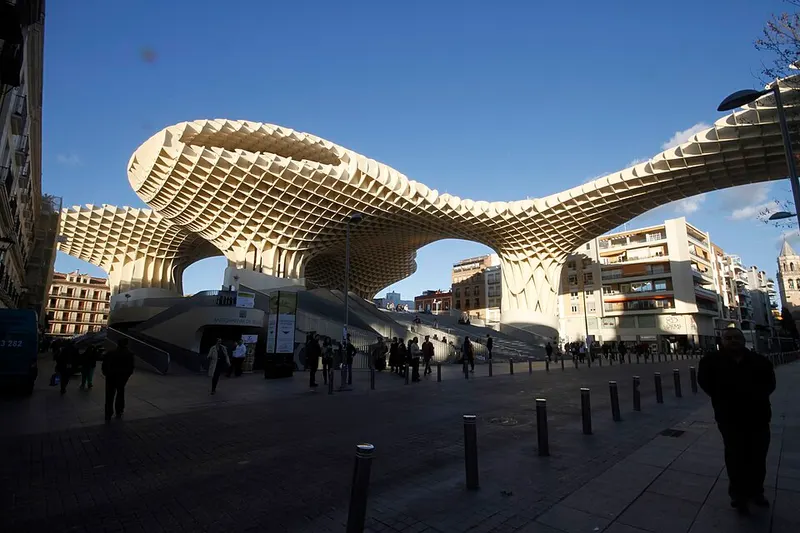
La Encarnación
A huge wooden structure in Plaza de la Encarnación with a viewing platform over the rooftops of the centre. Going up at sunset is a good idea.
Centre
Round off the day strolling along the pedestrian streets of the shopping district and tapas-hopping in the nearby squares. You will find plenty of bars here where you can eat well without leaving the old town.
Day 3
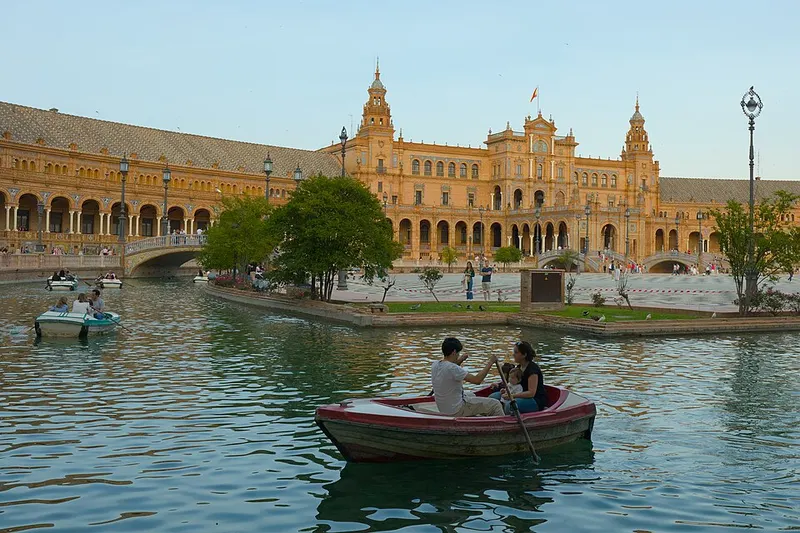
Parque de María Luisa
A monumental semicircular square built for the 1929 Exposition, with tiled benches representing the Spanish provinces. Best first thing in the morning, with fewer people and good light.
Parque de María Luisa
Gardens with fountains, bowers and shade, perfect for a break. You can explore on foot or by renting a bicycle.
Centre
An Andalusian palace that mixes Mudéjar, Gothic and Renaissance elements, with tiles and a lovely central courtyard. It is a quieter alternative to the big monuments.
Centre
Seville is one of the cradles of flamenco. An evening in a small tablao, with guitar and dancing right next to the stage, is the best way to end the trip.
Seville
To sleep next to the cathedral and the Alcázar and walk everywhere. It is very touristy and a little more expensive, and some streets are noisy at night.
Close to the river and the Torre del Oro, with good bars and an easy walk to the centre. A balanced option for a first visit.
For those who prefer an authentic neighbourhood feel, with bars and a market, a few minutes' walk from the centre across the Guadalquivir.
Itinerary · Seville
Three days are enough to see the essentials: the cathedral, the Alcázar, Santa Cruz, Triana and Plaza de España. With more time you can add a day trip to Cordoba.
The Real Alcázar and the Cathedral with the Giralda require advance booking, especially in spring. Everything else can be decided as you go.
Spring and autumn are the most pleasant. In summer the heat is very strong, so it is best to start early and take a break at midday.
Yes, the centre is compact and almost everything is done on foot. To reach Plaza de España, a walk, a city bus or a rented bicycle is enough.